
In the design of residential and commercial buildings, every detail matters. Choosing the right lock for each door goes beyond aesthetics — it impacts security, functionality, and even the durability of the chosen solution. For architects, engineers, and specifiers, understanding the available options and their correct applications ensures that the project meets technical requirements and the expected quality standards.
At Synter, we offer a complete portfolio of digital and mechanical locks that adapt to different types of doors and uses within a building, with a focus on security, connectivity, and resistance. Here are some guidelines to help make the right choice:
Main Access Doors: Control and Security at the Entrance
In residential and commercial buildings, main access doors are located in areas that demand efficient and secure circulation control.
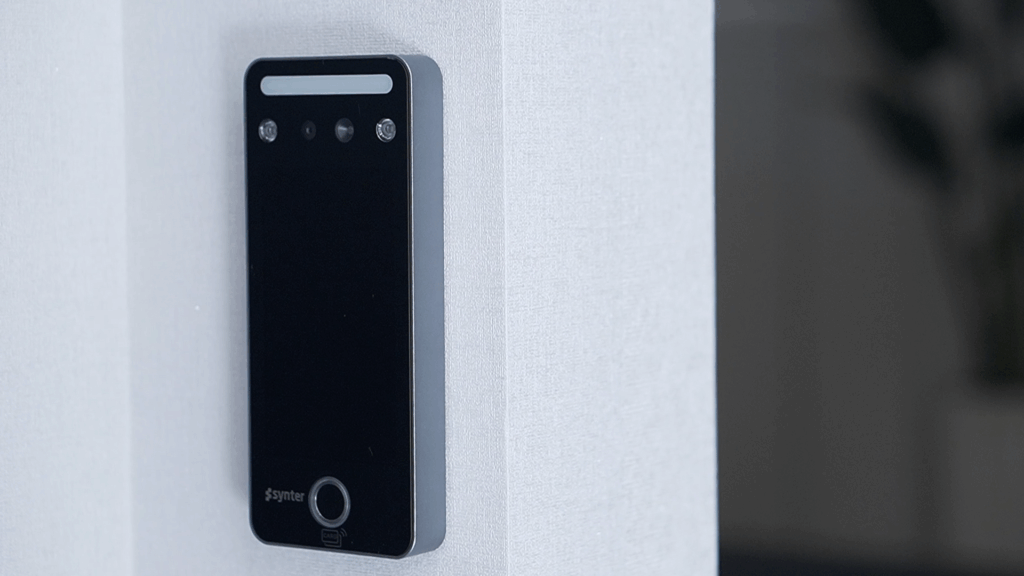
Synter offers a line of access controllers such as QR, Pro, and Face ID, with multiple authentication methods (facial biometrics, QR Code scanning, proximity tags), all integrated into the Synter platform. These controllers not only ensure security but also enable real-time management and access tracking, simplifying administrators’ and managers’ routines.
Internal Doors: Choice Based on Environment and Flow
The choice of lock for internal doors depends directly on the type of environment and the circulation flow. In spaces such as corporate offices or meeting rooms, especially when the doors are made of glass, the use of access controllers remains the most recommended solution, as they allow centralized and secure access management.
For apartment doors, usually made of wood, digital locks from the Syrius line, such as the Syrius S2 PRO, are the ideal alternative. They combine security, everyday convenience for residents, and compatibility with this type of material and door structure.
For private environments, such as executive offices, internal clinics, or areas with lower traffic, digital locks can also be used, provided the door type is compatible.
Synter offers mechanical and digital options with a discreet design, ideal for wooden doors, featuring simple locking and smooth operation. These locks ensure privacy and comfort in daily use without compromising the visual appeal of the environment.
Shared Spaces: Control and Flexibility
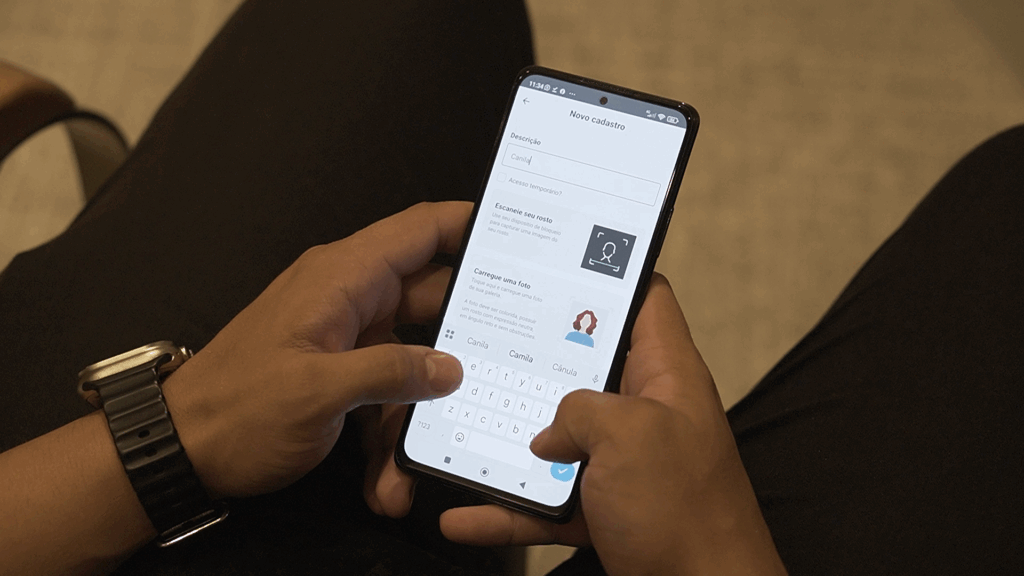
Gyms, party halls, shared meeting rooms, and coworking spaces within buildings require access control with user flexibility. In these cases, locks with QR Code, temporary password, and integration with the Synter Platform are ideal, as they allow scheduling, sending invitations, and remote access release — all with real-time access logging.
These solutions become especially advantageous for administrators and building managers, who need to manage multiple environments and user profiles with ease.
Technical and restricted doors: user-based management
Maintenance rooms, data centers, technical, and administrative areas require strict and traceable control. With the Synter platform, it is possible to integrate access controllers that operate with user registration, using numeric passwords, facial biometrics, or RFID cards. In addition, security cameras can be linked for real-time monitoring and to record the entry of each authorized employee.
Compatibility with different architectural projects
Synter locks are designed to harmonize with architectural projects, offering different finishes and models compatible with wooden, glass, aluminum, or PVC doors. The correct choice of lock ensures that the technological solution is integrated into the building’s design and concept, without improvised adaptations or aesthetic compromises.
The importance of technical specification
When specifying a lock, it is important to consider factors such as:
- Type of door (pull handle, knob, single or double leaf);
- Circulation level of the environment;
- Access traceability requirements;
- Integration with existing systems;
- Ease of maintenance and support.
At Synter, we provide specialized technical support for architects and engineers, focusing on tailored solutions for each type of project. Our team includes a business architect who works directly on floor plan studies and building needs analysis, recommending the most suitable products, evaluating compatibilities, and contributing to the technical budget. The result is a precise specification, with solutions that combine functionality, control, and alignment with the project’s concept.
🔐 Are you specifying a building? Talk to our technical team and discover Synter’s complete line of solutions.